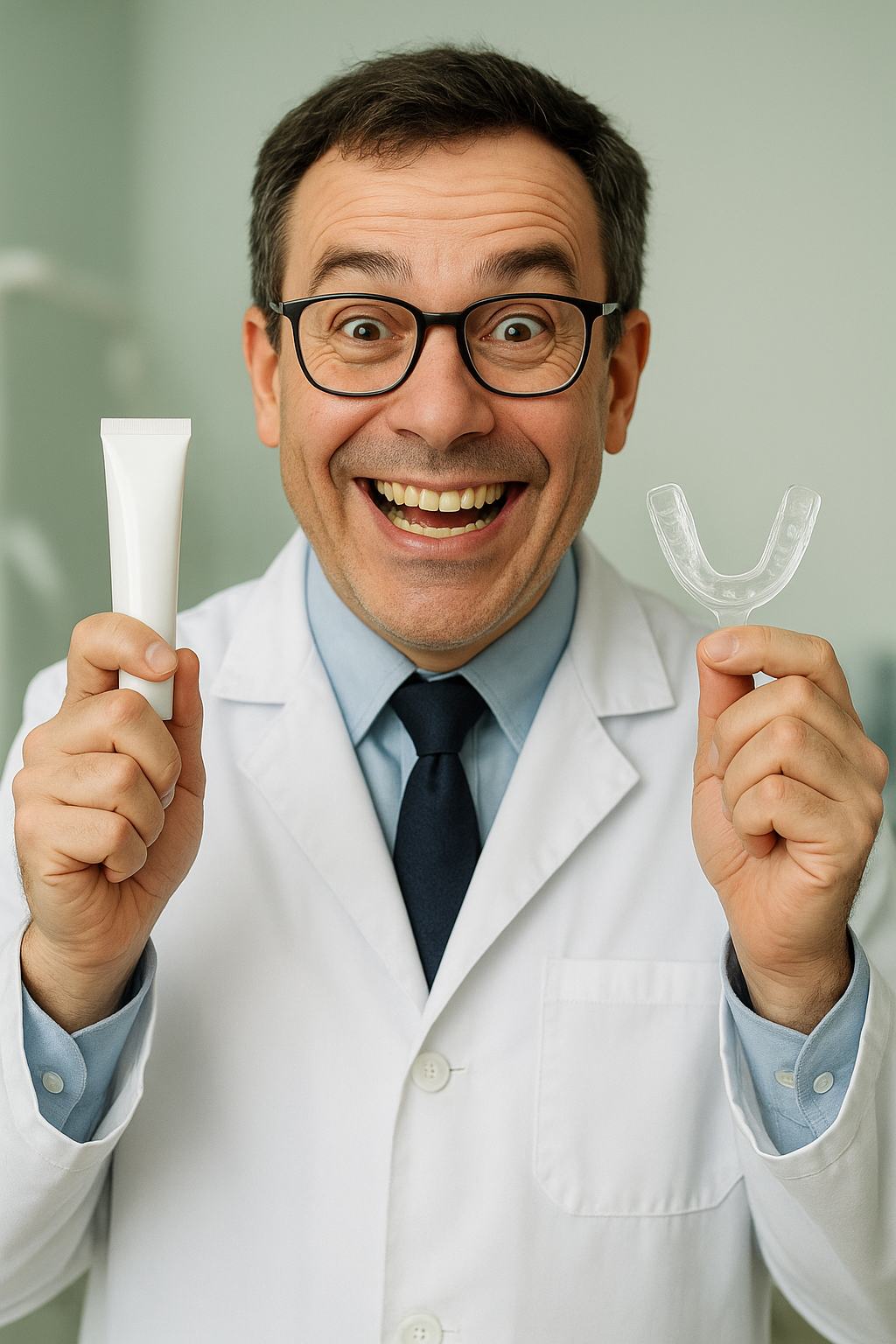
Many Americans want a brighter, whiter smile, but daily habits like coffee, tea or smoking can leave teeth stained. Over-the-counter whitening kits offer an at-home solution, but using them correctly is key to avoid gum irritation or uneven results. In this guide we explain how to use a teeth whitening kit (with or without LED light) step by step, with safety and real-world tips. Following the instructions carefully, just as dentists recommend, lets you whiten effectively without damaging enamel.
Why Whitening Kits Matter?
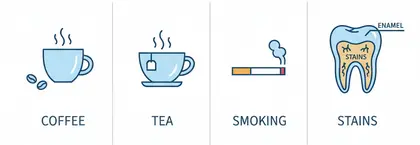
Teeth discoloration can come from extrinsic stains on the enamel (from food, drink, smoking) or intrinsic stains inside the tooth (from age, medication, or genetics). Most at-home kits use peroxide-based bleaching agents (carbamide peroxide or hydrogen peroxide) to chemically lighten teeth by breaking down stain molecules in enamel.
Products vary: some are simple whitening toothpastes or strips, while others use gel-and-tray systems or even LED lights to accelerate the whitening, however all work best. This article focuses on tray-based kits (some with LED lights) that are very popular and can achieve dramatic whitening with proper use.
How to Use a Teeth Whitening Kit
Preparing Your Teeth and Tray:
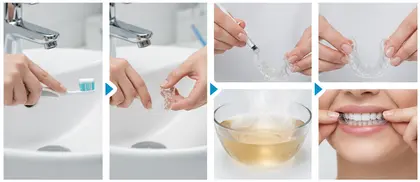
Before whitening, prep your mouth carefully. Start with good oral hygiene: brush and floss to remove plaque and surface film. Dry, clean teeth let the whitening gel contact enamel better. Some kits include a pre-treatment spray or wipe; if so, use it as directed.
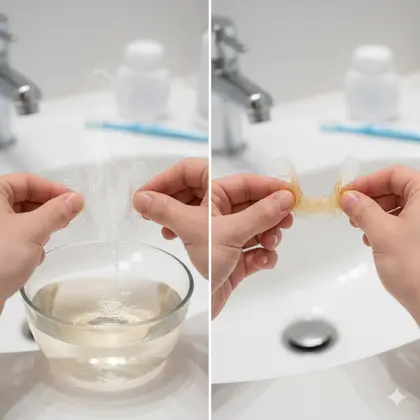
If your kit has custom-fit trays (not one-size-fits-all), you usually must mold them first. Typically you soften the plastic trays in hot (not boiling) water for a few seconds, then bite down to form them around your teeth. Practice this quickly-immerse, then set the softened tray over your teeth and suck it gently against the contours. After molding the upper tray, repeat for the lower. Trim any excess edges if needed. Properly fitted trays keep gel on the teeth and off your gums.
Applying the Whitening Gel:
Now you’re ready to load the tray with whitening gel. Apply a small bead or thin line of gel to the front (tooth-facing) surface of each tray. A good rule is about 0.5cc (half a pipette tip) per tooth – enough to cover the tooth surfaces, but not so much that it squirts onto your gums. Excess gel on gums can irritate them, so err on the side of less.
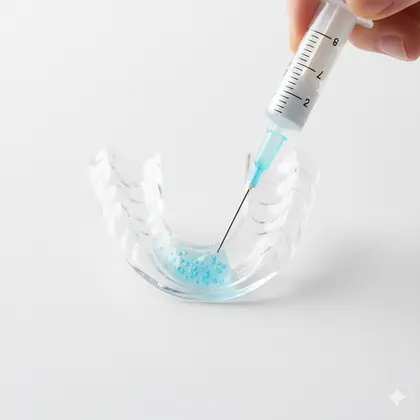
Many kits use fairly strong gels: for example, some contain about 18–35% carbamide peroxide (roughly 6–12% hydrogen peroxide) in each application. Higher percentages work faster, but all work by letting oxygen molecules bleach the enamel. Make sure the gel is evenly distributed in the tray and not pooled at the gum line.
Using the Tray and LED Light
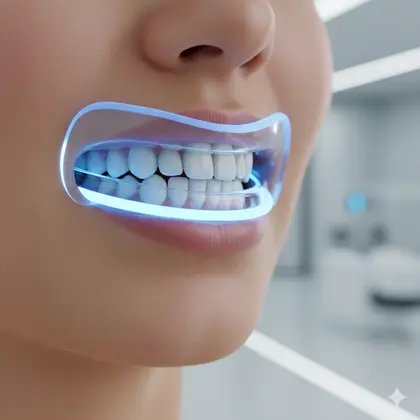
After filling the gel tray, place it in your mouth. Pop the upper tray onto your upper teeth, then the lower tray onto your lower teeth. Press gently so the gel contacts the teeth. If your kit includes an LED light (many do), attach or position the light according to the instructions. Often you simply bite down on the tray and then activate the light, for example by pressing a button on the mouthpiece. The light helps accelerate the bleaching reaction.
For some kits, you hold a handheld light unit in front of your teeth once the trays are in place. Follow your kit’s design. In any case, once the tray and light are ready, turn on the device and start your timer. For example, a common system advises wearing the LED mouthpiece for about 30 minutes. (Some high-strength kits even promise results in as little as 10 minutes.)
Step-by-step summary (with LED):
- Insert gel-filled tray and press onto teeth.
- Activate the LED light (touch or button) so it shines on your teeth.
- Keep the light/mouthpiece on for the recommended time (often 10–30 min).
If you experience any tingling sensitivity, you can temporarily remove the trays and wait; sensitivity is common in the first few uses. Return when comfortable.
Session Time and Repetition
Wear the tray and light for the full prescribed time. Many DIY kits recommend 15-30 minutes per session, once a day. For higher-strength professional kits, sessions might be longer (up to an hour). Always follow the product’s guidelines; for example, Auraglow’s kit says 30 minutes daily for up to 7-14 days.
After the light shuts off (or your timer ends), remove the trays. Rinse your mouth and the trays with water. Use a soft toothbrush to gently remove any remaining gel from your teeth and gums to avoid irritation. You should do each session once per day until the cycle is complete – often about 7-14 days for OTC kits. Some pro kits may stretch to two weeks of nightly use. Do not leave trays on longer than directed. Overdoing it can cause enamel harm or excessive sensitivity.
Safety Tips and Precautions:
While home whitening is popular, use caution. Avoid overuse: frequent or prolonged bleaching can thin enamel and irritate gums. The ADA advises seeing a dentist 1-2 times per year for whitening treatments rather than daily self-bleaching. Always follow instructions exactly. Keep gel off gums and lips, and do not swallow it. Rinse thoroughly after each session.
Sensitivity is the most common side effect. It’s often mild and temporary, peaking a few days in then fading. To manage it, start with shorter wear times (for example 10-15 minutes) and gradually increase. Using a desensitizing toothpaste (with potassium nitrate or fluoride) a few days before and during treatment can help. Remember, mild sensitivity means the whitening is working by penetrating the enamel. If sharp pain occurs, discontinue and consult a dentist.
Also note: whitening gel works only on natural tooth enamel. Crowns, veneers, or fillings will not change color. You may see uneven color if you have restorations. For this reason, it’s wise to get a dental check-up before bleaching, especially if you have extensive dental work.
After finishing a treatment cycle, maintain your results by avoiding staining foods/drinks (coffee, wine, berries) and not smoking. You may need periodic touch-ups, small re-applications, a few times a year to keep teeth bright. But don’t do full cycles too often, as that risks enamel damage.
Professional vs. DIY Whitening Kits:
Dentist-prescribed take-home kits work similarly but use custom-fit trays and often stronger peroxide (10-45% CP). You get your teeth scanned or imprinted so the trays fit perfectly, keeping the gel on teeth and away from gums. Your dentist will show you exactly how much gel to apply and how long to wear the trays – typically about an hour per day for two weeks. Such professional kits can cost $100–$400 but yield excellent results.
In contrast, OTC kits (like those below) are ready-made. Their trays may be generic or boil-and-bite style, and gels are usually weaker (10–35%). They are less expensive (often $20-$60) and can still whiten well if used as directed. Always consult your dentist if you have sensitive teeth, very dark stains, or dental issues before starting any whitening regimen. When in doubt, a dentist exam first can help prevent problems.
Many over-the-counter kits include an LED or UV light to speed whitening. While professional in-office whitening often uses lights or lasers on teeth too, home LED devices simply aim to boost the peroxide’s effect. They are safe when used correctly, but know that the light is just a booster, the chemical gel is doing the whitening.
When choosing to buy a new teeth whitening kit, consider your sensitivity, budget, and how stained your teeth are. All the above kits include instructions; read them carefully.
Maintaining Your Whitened Smile
After completing a whitening kit, your smile will likely be noticeably brighter. To make it last longer:
- Watch what you eat and drink. Stay away from or minimize coffee, tea, red wine, soda, soy sauce and berries for at least 48 hours after bleaching. Use a straw when possible.
- Practice good oral hygiene. Brush twice daily with fluoride toothpaste (consider a whitening toothpaste once or twice a week for maintenance). Floss daily. This removes new surface stains before they set.
- Touch-up treatments. Most kits contain extra gel for touch-ups. You might reapply every 3-6 months or as you notice yellowing returning. Short, infrequent follow-up sessions (not full cycles) can prolong results.
- Dental check-ups. Visit your dentist regularly. They can professionally clean and advise when another whitening session is needed. Over-the-counter whitening is safe for occasional use, but if results fade quickly, ask your dentist about alternatives.
Conclusion:
Teeth whitening kits are a proven way to enhance your smile at home. By carefully following each step, brushing first, using the correct gel amount, wearing the tray/light the proper time, and heeding safety tips, you’ll achieve a whiter smile without causing harm.
Remember that realistic expectations are important: natural teeth have a limit to how white they can go, and results vary. With proper use, most people see significant improvement in just a week or two. Enjoy your new smile, and maintain it with good habits!